Here's a conversation I hear constantly from warehouse owners: "I can't find anyone under 40 to work for me. The young people don't want these jobs."
They're right. And it's not going to change.
The generation entering the workforce has options their parents didn't. They grew up with smartphones, not forklifts. They want to work with technology, not against their bodies. The warehouse jobs of the past—cold, repetitive, physically punishing—are simply not competitive in today's labor market.
This isn't a temporary labor shortage. It's a permanent labor shift. And the only response is automation.
Why Traditional Warehouse Jobs Are Dying
The Data Doesn't Lie
Average age of a warehouse worker in developed economies: rising
Turnover rate in manual warehouses: 30-50% annually
Time to recruit and train a new picker: weeks
Time to add a new shuttle to an automated system: hours
The math is brutal. And it's getting worse every year.
How Shuttle Systems Bridge the Labor Gap
1. 4-Way Shuttles: Making Picking Jobs Attractive Again
A 4-Way Shuttle goods-to-person system transforms the picking role:
Before: Walk 15 miles a day. Lift heavy boxes. Freeze in winter, sweat in summer. Body wears out by 50.
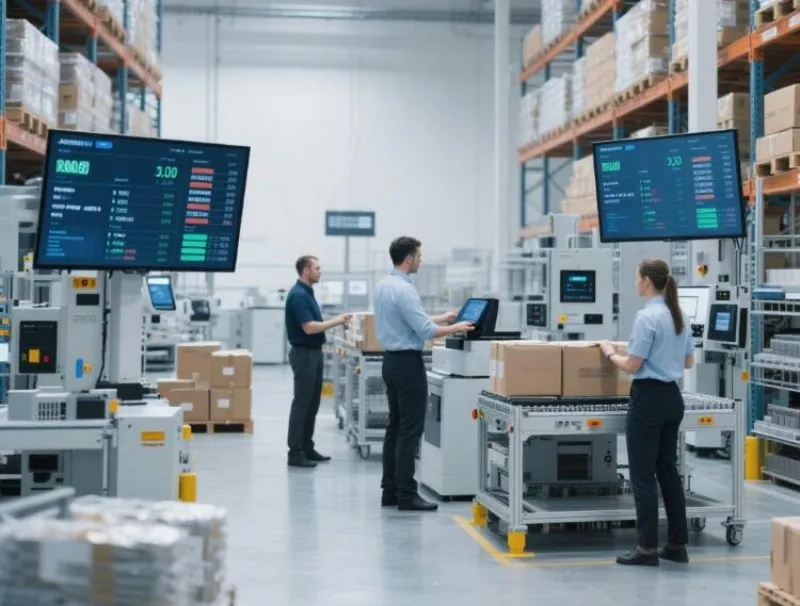
After: Stand at an ergonomic workstation. Items come to you. Lights guide your picks. Climate controlled. Your brain is engaged, not just your body.
Result: Suddenly, warehouse work appeals to a different demographic. Tech-curious young people. Workers who value their health. People who want to learn systems, not just move boxes.
2. Pallet Shuttles: Eliminating the Worst Jobs
The hardest warehouse jobs are in freezers and bulk storage. Extreme cold. Heavy loads. Isolation. These positions are nearly impossible to fill.
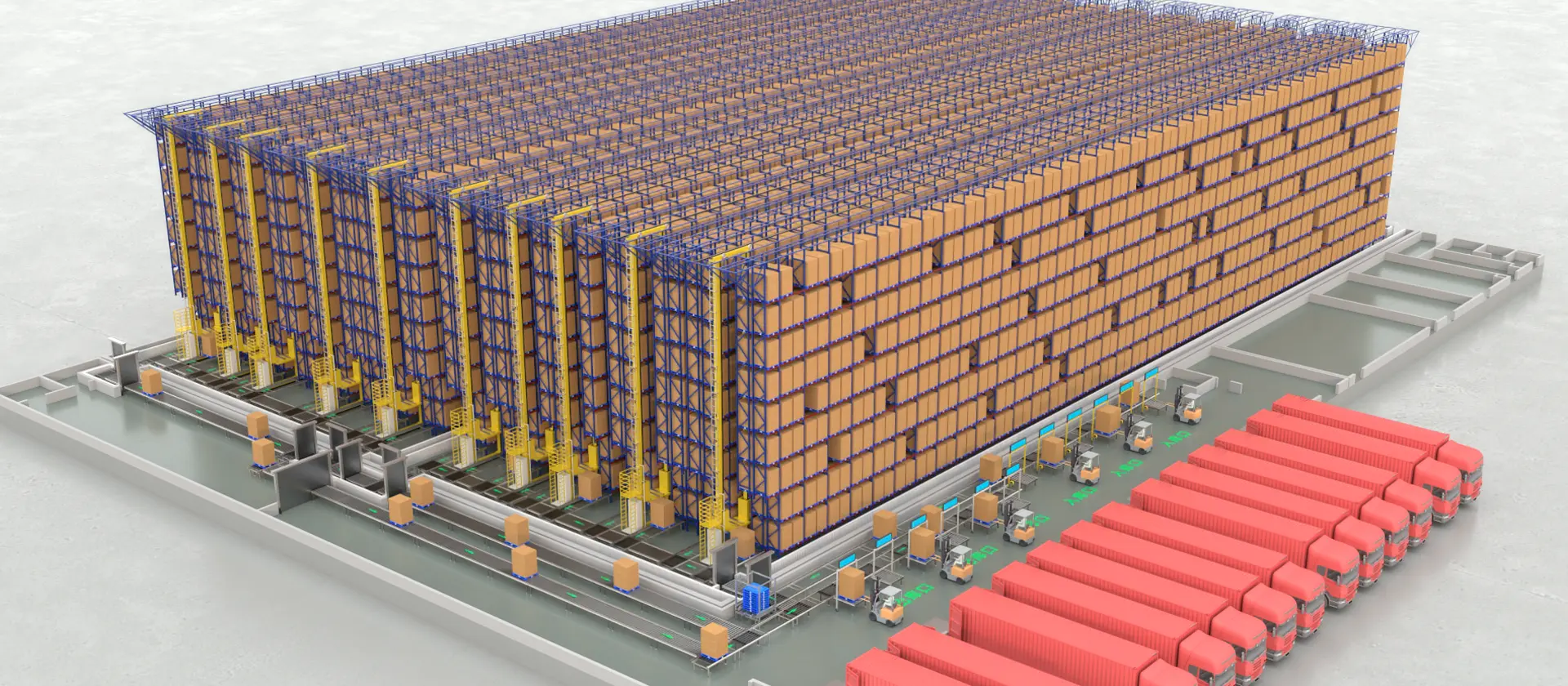
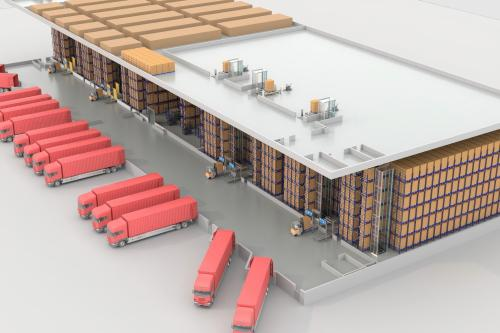
A Pallet Shuttle system eliminates the worst parts:
Forklifts stay outside the freezer
Shuttles do the deep-cold work
Humans work in temperate loading bays
Result: The job nobody wanted becomes... automated. Problem solved.
3. Upskilling: From Laborer to Technician
Here's what happens when you automate:
Maria the picker becomes Maria the flow optimizer
Carlos the forklift driver becomes Carlos the shuttle technician
Your warehouse becomes a place with career paths, not just jobs
Young people don't want dead-end jobs. They do want careers with technology and growth. Automation creates exactly that.
The New Workforce Equation
Real Story: A Distributor's Workforce Transformation
A Midwest food distributor was struggling. Their average warehouse worker age was 55. Young applicants would tour the freezer and never come back. Turnover was 60%.
They installed:
Two years later:
The owner told me: "We're not competing on wages anymore. We're competing on workplace quality. Young people want to work here because it's tech-forward. My old workers stay because their bodies aren't destroyed. Everyone wins."
The Strategic Imperative
You can't change the labor market. You can't make young people want jobs their parents rejected. But you can change your jobs.
Automation isn't about replacing people. It's about redesigning work so that people actually want to do it.
The companies that wait for labor to get cheaper or more available will wait forever. The companies that automate now will attract the best talent, retain them longer, and build a workforce for the future.
Your workforce problem has a technology solution.
Ready to make your warehouse a place people actually want to work?


 English
  العربية